

Getting organic traffic on the website with the use of Search Engines is the best way to grow your website. Though, the number of clicks you’ll get depends on how high your article ranks.
Search Engine Optimization (SEO) performs this task of ranking your website with the help of the Search Engine Result Page (SERP). SEO includes two effective strategies On-Page and Off-Page strategies.
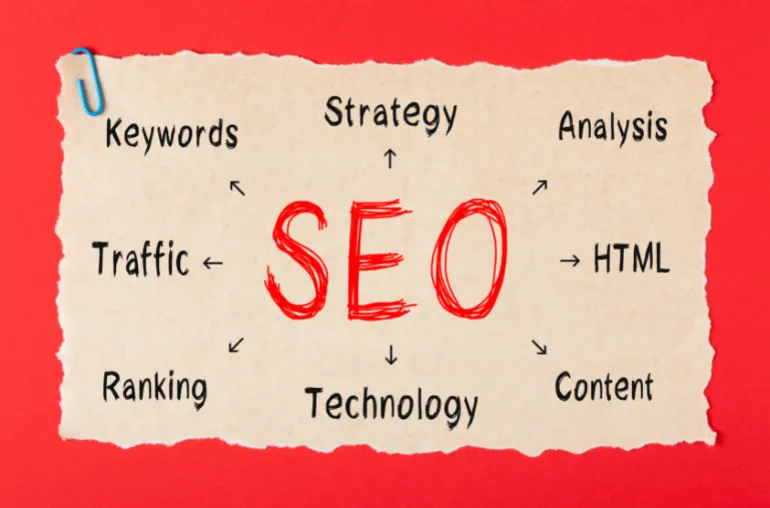
Introduction to ON-Page and OFF-Page SEO
Both the strategies On-Page and Off-Page work hand in hand, building a worthy watching site and also ranking them on the top of SERPs. Also, both of them coordinate together and build a strong and user-friendly website.
ON-Page SEO
On-Page SEO also called on-site SEO focuses on building a website that is easy to find for the readers on all the platforms (Google, Bing, and other search engines) and also uses Meta Tags in such a way that it is easy for the Platforms to understand what your material is all about and where to rank it.
OFF-Page SEO
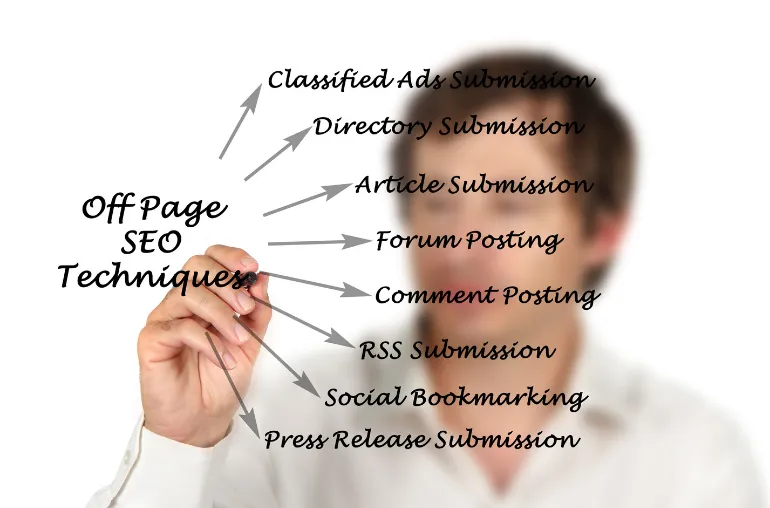
Off-Page SEO also called Off-Site SEO majorly focuses on working outside your website for building its reputation in the rest of the digital ecosystem and making it visible outside your site which increases the readers of your page.
Its key feature is also to post the backlinks of the other web pages you took to help in writing the article which improves your rank in the search engine as your article is connected with the others too.
Importance of ON-Page SEO
In the digital ecosystem, there is an uncountable no. of websites running, which makes it hard for the algorithm of the platform to decide what to rank high in such a large amount of data.
With the help of On-Page optimization, we use the Algorithm to find our content relevant to the keyword or meta tag we are hitting.
Google keeps on updating its algorithm to increase the quality and relevance of the content they're giving to their users.
For regular improvements, Google improves work on processes like punishing duplicate content and making sites mobile-ready.
Optimization of Your ON-Page SEO
Reading this much about On-Page SEO has made your mind clear about how important it is in the current time to build a good website. Following the mentioned steps will help you build your On-Page SEO.
Step 1: Goggle's Criteria
Understanding Google's algorithm and the process by which its search engine works is the basic to know before creating or improving your On-Page SEO. This is how a search engine finds the best content to help the reader
Google first starts with your site's first impression that the person will get when he looks at your website at first sight. It also watches how user-friendly is your site and how much time it will take for the person to open it.
Keywords and Phrases you use in your content will decide the ranking of your website according to google.
It also looks upon the time people spend on your site and on the others, it looks if people first scroll the whole list of pages and then reach yours or click to it first by this the platform decides the relevance your site is providing.
At last, Google decides how authoritative and reliable your content seems to be.
According to Google, your intelligent use of On-Page Strategies and the tools will decide where your site will stand.
Step 2: Target Keywords
Deciding your main keyword for your content and targeting it with the first paragraph will make your page, topic, and matter clear from the first line. The terms and keywords you use will decide the importance of the information it contains.
Clear your intention from the first line or sentence you use. Enhance the use of words that are moreover connected with your meta tag or keywords.
If you want your content to be ruthless, the density of the keywords you use is important for you. Research of the keywords is also important to help you and search engines.
Step 3: H1 and H2 Tags
The use of H1 and H2 tags pull the attention of the search engine towards our website heading or title. These tags make your content smooth and clear for the reading. Organized content like these attracts the viewers too.
The use of the Headings and Subheadings also gives the context of what they’re going to find in that particular paragraph. The engine also registers the heading you write and makes it appear on top when someone searches for that Topic.
Remember that the content which includes a heavy amount of information in an untidy manner has low durability than the one which keeps clearance. Organizing content in a proper theme will increase the clicks and reviews of your webpage, content should always catch the eyes of the readers.
Step 4: Outbound and Internal Linking
Linking of your content with the different web pages and sites will make Google know that how the article is connected to the other correlated sites which are also known as “Outbound Links”
Copywriters usually do this to provide some more informative knowledge to their readers and to prove their content to be authoritative and source-based, not just to draw readers’ attention.
Whereas, when we talk about internal linking it is about linking some more informative content already peasant on your website which can anyway help the reader of your article. This will provide your website one more click and watch time.
Process of Outbound and Internal linking will make google know how much your content is tied in with each other while claiming your authoritativeness.
Step 5: Optimization of URLs
URLs somehow increase the clicks and traffic on your page, as after looking at URLs the search engine and users can clear how much this article is important and will clear which topic.
If you've created a good URL system this will provide your site with some SEO benefits of traffic.
Step 6: Title Tags
When the user searches something through the Engine, their eyes firstly catch the Title Tag which appears in bold format and provides the title of the information present inside. So, your title tag of the post should consist of important keywords encouraging more clicks and more traffic.
Step 7: Meta Description
A meta description refers to the short description below the URL section on the result page(SERP). It should have as many main keywords and information on the topic cause this will decide the relevance of the topic to your page in the Reader’s mind.
The meta description should have a description that makes your viewers active on the page and check the site.
Step 8: Revision of SEO Content
Google regularly changes the algorithm for which brand should always be careful about and keep adapting the new changes and continue doing work as per them. One thing you should never forget that your main aim is always to give the best content to the readers.
For adapting the algorithm, visiting your old works and trying new things with them is important. On-Page SEO checkers can make your work easy by taking care that you target some important points.
Step 9: Adding and Optimizing Images
High-Quality Images are what attract readers the most, so keep your content with some relatable plus attractive images on your website. You can also create one attractive image.
Images should be optimized means.
Keep secure that the selected pictures are smaller in size and take less time to load.
Use alt tags cause that lets the google search engine know what the image is about and accept it as content which is important. Alt Tags also help visually impaired people to like and appreciate the site.
Choose titles and file names that mirror the image and keywords properly.
Step 10: Optimize The User Engagement
The content your page provides should take the reader's attention. Also, keep the focus on decreasing your bounce rate while improving your staying time.
Methods to create engagement:
- Boost readability by posting headlines for each topic.
- For making it easy to scan material use bullets and lists.
- Incorporate video in Content
- Creating relevant calls-to-action that forces users to access gated content
- Use Clear and Crisp content
- Fast page speed

Reach out to GoCommercially today for more information on how we can facilitate nonstop business growth. This is where your journey to conversion rate optimization and business growth starts!